Frequently Asked Questions
Dry Rot Treatment in Limavady: Your Questions Answered
How can I tell if I have dry rot in my Limavady property?
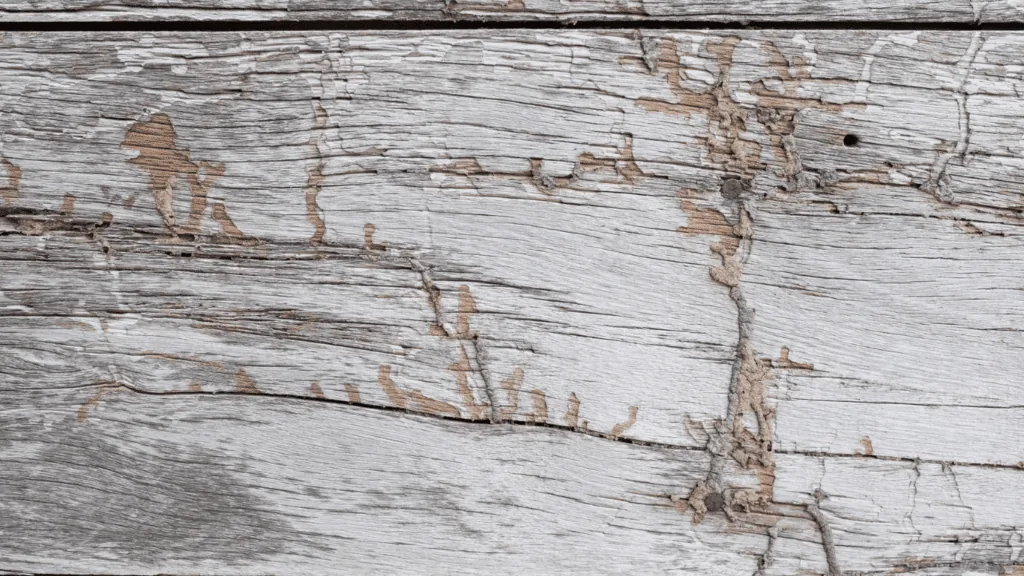
Look out for a musty, damp smell, timber that's gone soft or crumbly, or a fine reddish brown dust near skirting boards and floor timbers. Advanced outbreaks can show grey, cotton wool like growth or mushroom shaped fruiting bodies, but by that stage the fungus has usually spread further than it first appears.
Why is dry rot more common in older Roe Valley farmhouses?
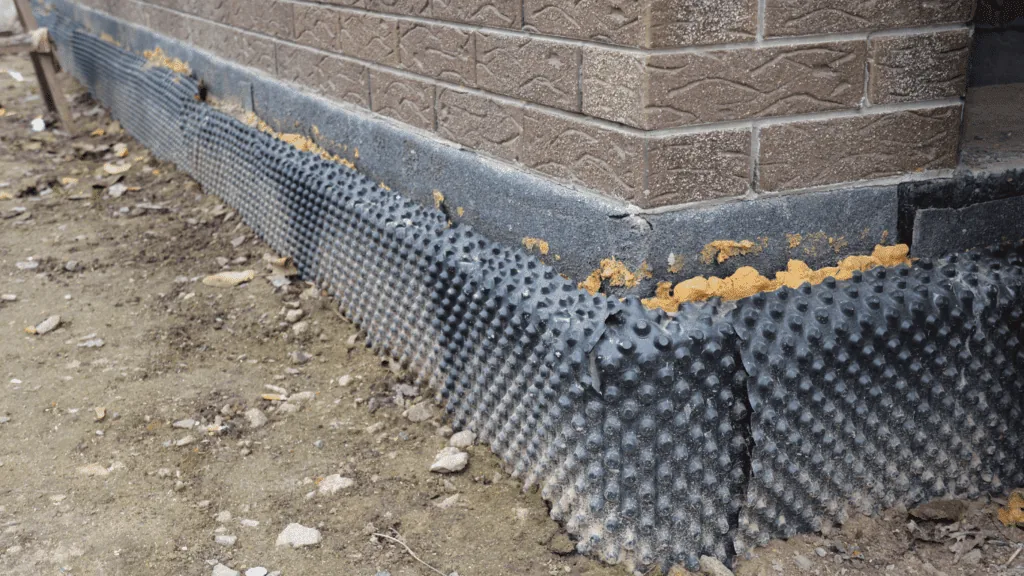
Older rural properties often have suspended timber floors sitting over poorly ventilated voids, and if a damp course is missing or has failed, moisture builds up in that space without anywhere to escape. That combination of damp and stagnant air is exactly what dry rot needs to establish itself.
Does dry rot spread between properties in a Main Street terrace?
Dry rot can spread through masonry as well as timber, so in a shared or terraced wall it's possible for an outbreak to move from one property into a neighbouring one if left untreated. That's one reason we recommend acting quickly once an outbreak is confirmed.
What does dry rot treatment actually involve?
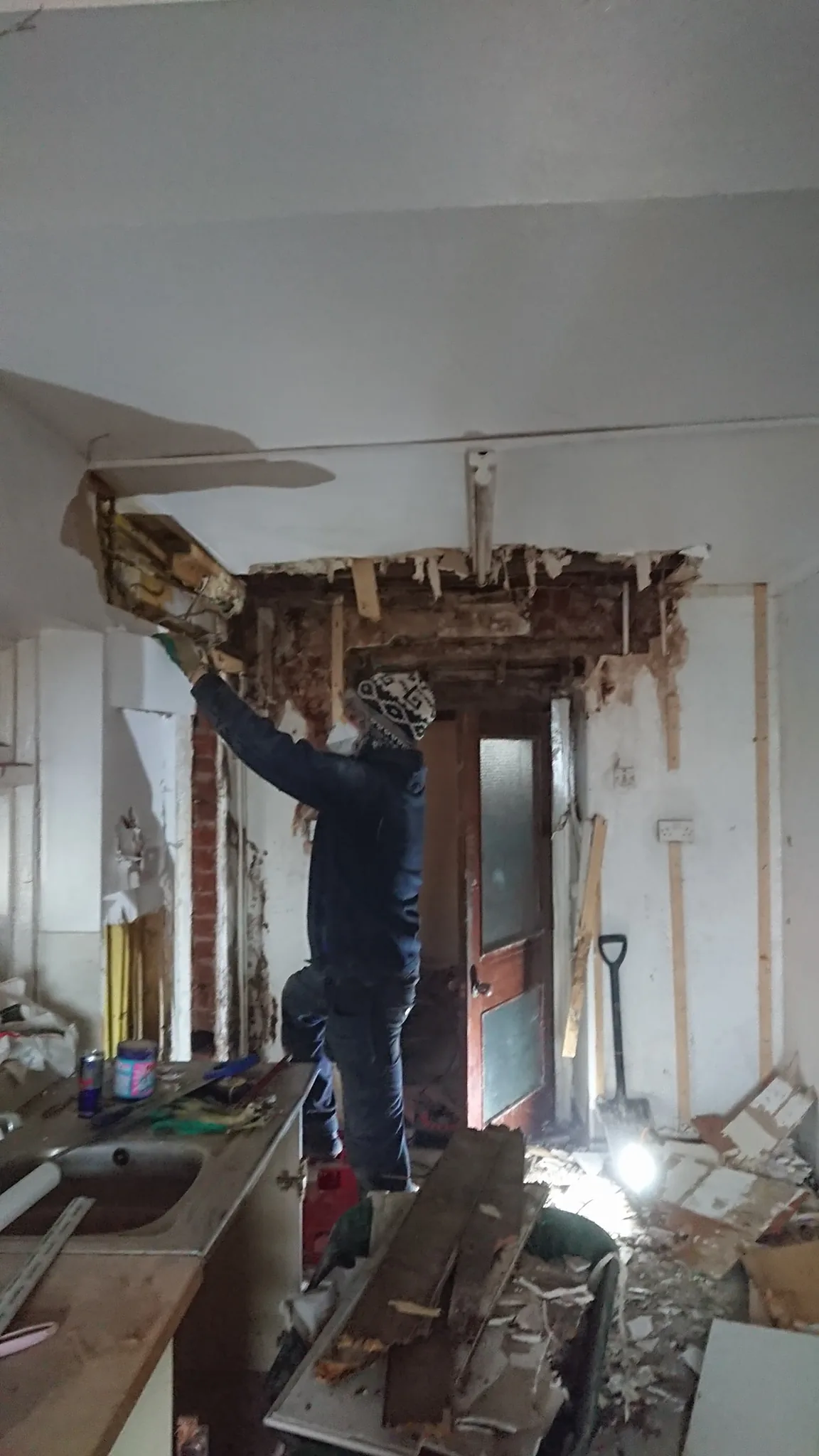
Treatment starts with removing and safely disposing of affected timber, treating the surrounding area to kill remaining spores, and replacing structural timber where needed. Just as importantly, we identify and address whatever is keeping the timber wet, since that's usually a damp proofing or ventilation issue.
Can dry rot be treated without fixing the damp problem first?
Not reliably. If the source of moisture isn't dealt with, the conditions that allowed dry rot to establish itself in the first place are still there, so treatment on its own tends to be a temporary fix rather than a lasting one.
Is dry rot treatment covered by a guarantee?
Yes, our specialist dry rot treatment comes with a 10 year guarantee, terms and conditions apply. We'll explain what that covers as part of the survey report before work begins.
How quickly does dry rot spread once it takes hold?
Dry rot can spread quickly in the right conditions, sending out fine strands searching for new sources of moisture and nutrients, sometimes travelling through masonry to reach timber elsewhere in a building. Early treatment before it spreads far is far less disruptive than dealing with an established outbreak.
Are roof timbers in older Limavady buildings at risk from dry rot?
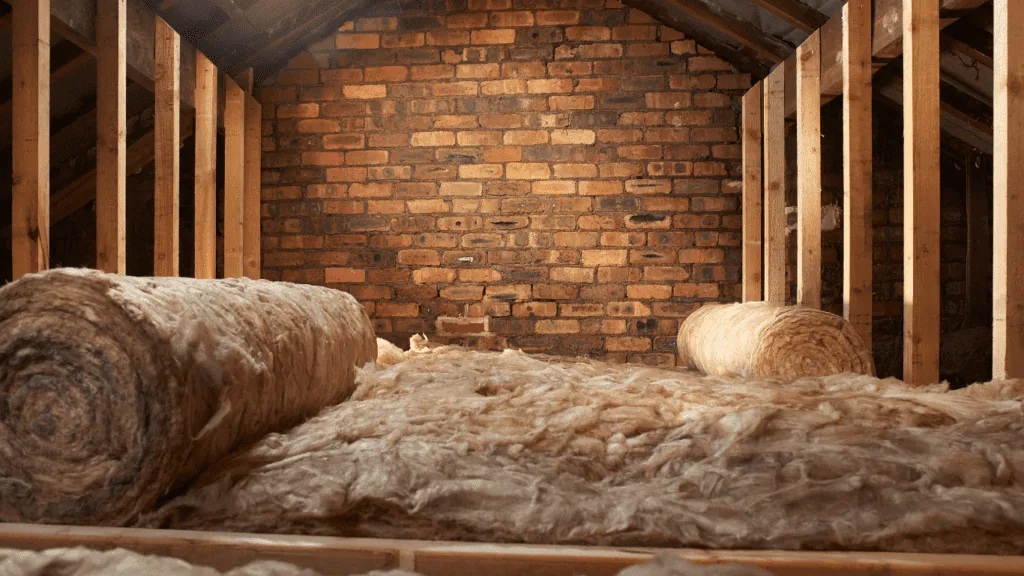
Yes, roof timbers are at particular risk where slipped slates, damaged flashing or blocked gutters have allowed water in over time, especially on older Main Street properties. A survey of the roof void is a standard part of investigating a suspected outbreak.
Do I need to move out of my property during dry rot treatment?
Most households can remain in the property while treatment is carried out, though the specific room or area being treated will be out of use for a period. We'll talk you through what to expect for your particular case.
How do I get a dry rot outbreak checked in Limavady?
Call 07835 023174 and we'll arrange a survey to confirm whether it's dry rot, assess how far it has spread, and identify the damp source behind it. Catching it early keeps both the treatment and the cost more manageable.