Frequently Asked Questions
Dry Rot Treatment in Derry: Your Questions Answered
How can I tell if it is dry rot rather than wet rot?
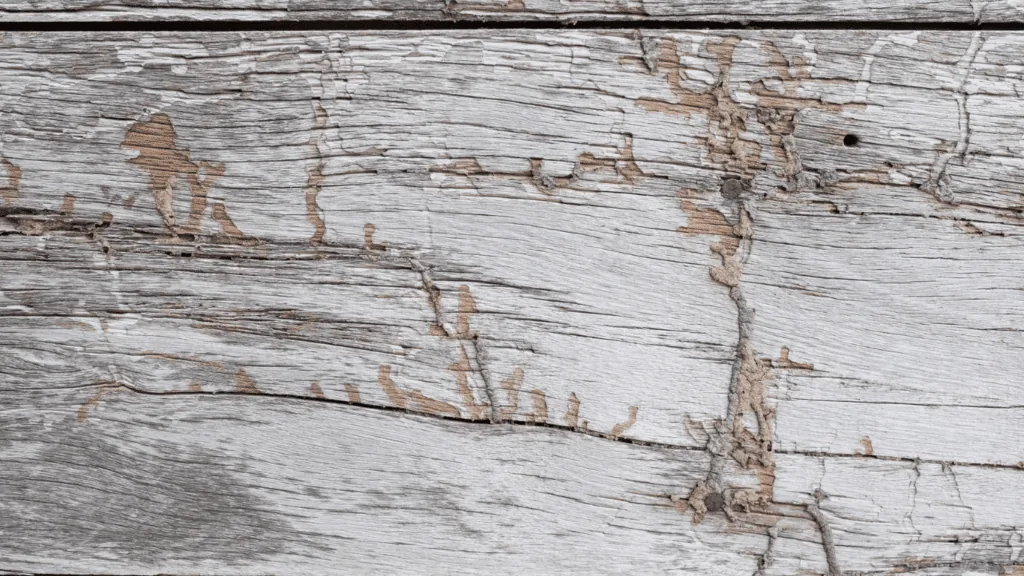
Dry rot often produces a distinctive musty smell along with reddish spore dust, and the affected timber develops deep cuboidal cracking, while wet rot tends to stay localised and softer looking. A survey is the reliable way to confirm which fungus you are dealing with, since treatment differs between the two.
Why is dry rot taken more seriously than other timber problems?
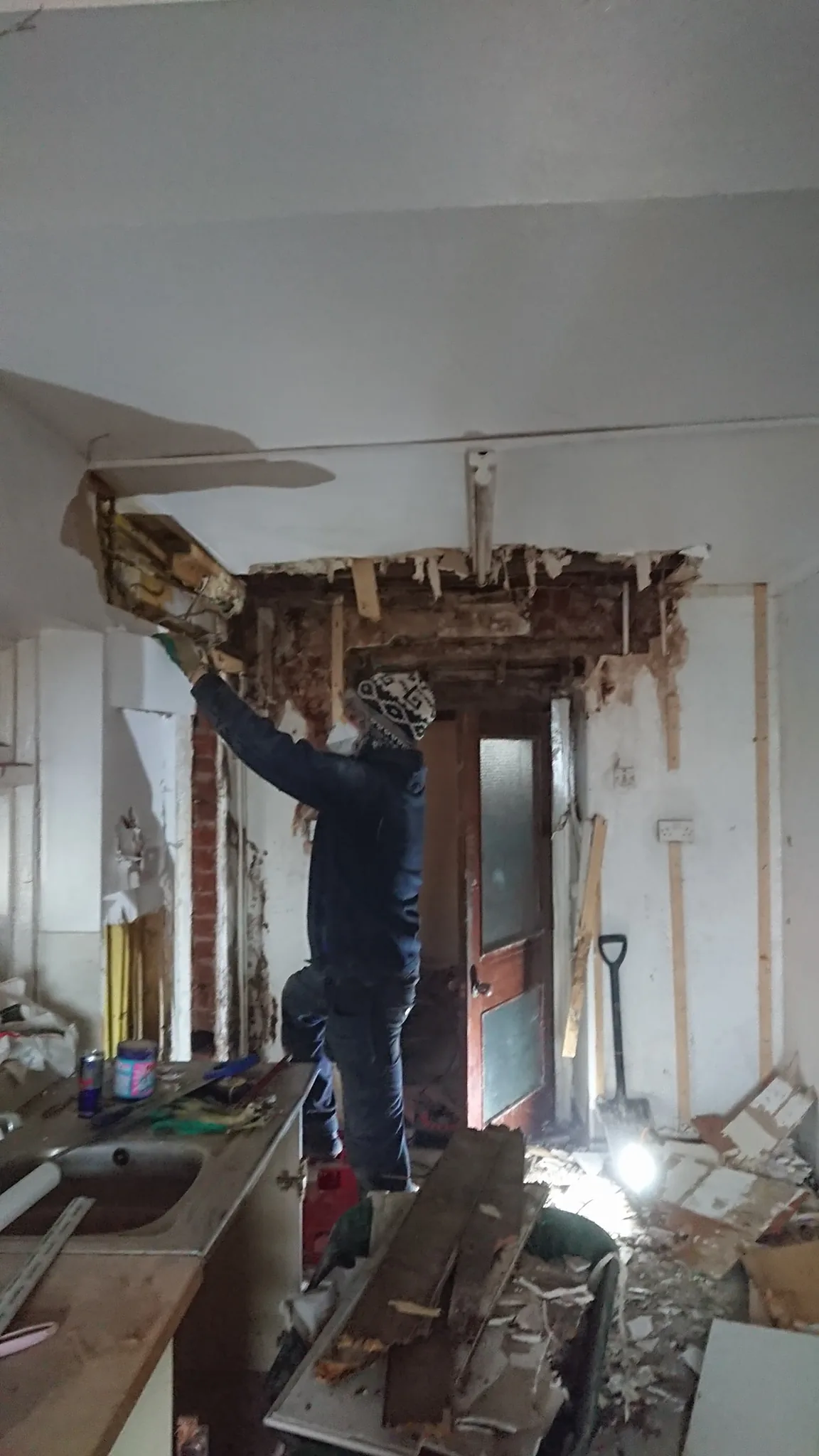
Dry rot can spread through brickwork and behind plaster in search of moisture, not just through timber, so an outbreak left untreated can travel well beyond where it was first spotted. That is why a full survey of the surrounding area matters before any treatment plan is agreed.
Are older Derry terraces more at risk of dry rot?
Solid wall Victorian and Edwardian terraces around the city centre often have suspended timber floors and less ventilation under them than modern builds, which can create the damp, still conditions dry rot needs. It is not automatic, but these properties are worth checking if there has been a history of damp.
What causes dry rot to start in the first place?
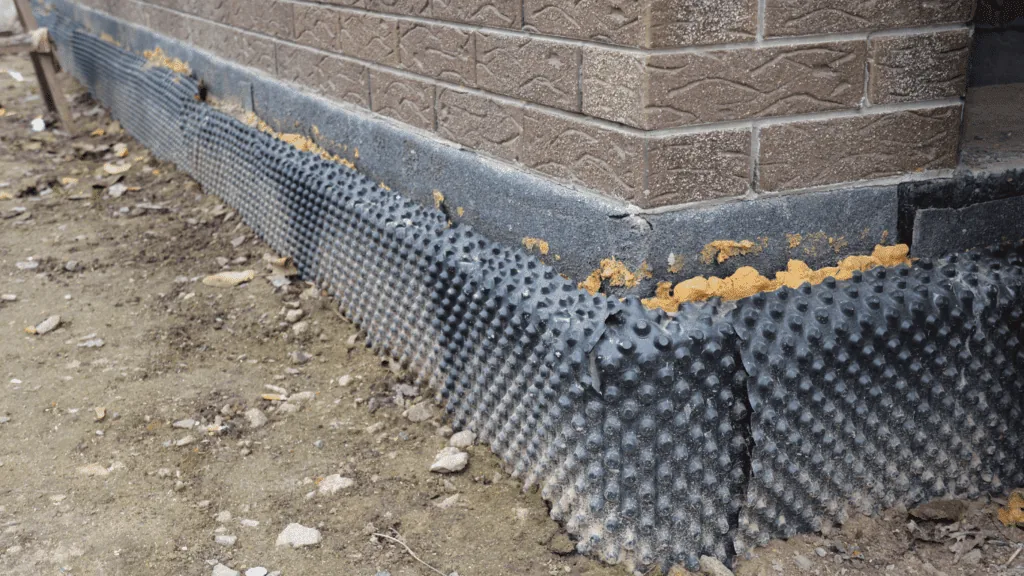
It almost always comes down to a source of moisture reaching timber, whether that is a leaking pipe, a failed damp proof course, blocked airbricks under a suspended floor, or penetrating damp through a wall. Treating the fungus without fixing that source usually means the problem returns.
Will you need to remove all the affected timber?
Any timber showing structural damage from dry rot generally needs to be cut out and replaced, with a margin beyond the visible damage to be safe, since the fungal strands can extend further than they appear. We set this out clearly in the survey report before any work starts.
How long does dry rot treatment take on an average Derry property?
It depends heavily on how far the outbreak has spread, a contained case might be dealt with in a few days, while a more established outbreak affecting floor timbers or a roof void can take longer. We give a realistic timeframe once we have surveyed the extent of it.
Can dry rot affect roof timbers as well as floors?
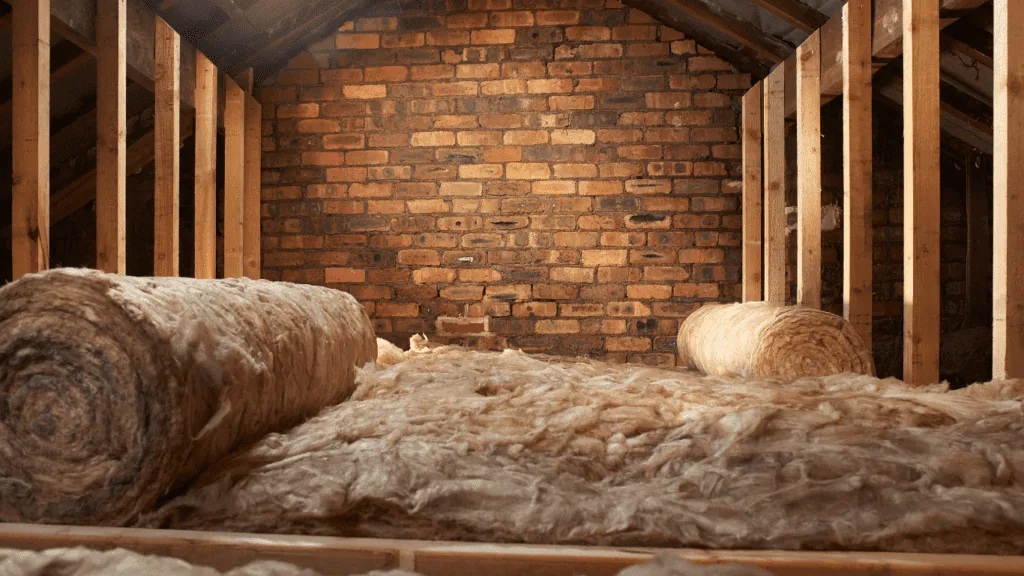
Yes, dry rot can establish in roof timbers where there has been a slipped slate, damaged flashing or blocked valley gutter allowing water in over time, which is not unusual given the amount of rain the area gets. Loft and roof void checks are part of a thorough survey.
Is dry rot treatment guaranteed?
Our specialist dry rot treatment comes with a 10 year guarantee, terms and conditions apply, covering the treated areas against recurrence. We will confirm exactly what is included when we issue your written quote.
Do I need to move out while dry rot treatment is carried out?
Most domestic dry rot treatment can be done with the property occupied, though some areas may be inaccessible for a period, particularly if floor coverings need lifting. We will talk you through what to expect before the work begins.
Can dry rot come back after treatment?
If the original moisture source is properly addressed alongside the timber treatment, recurrence is uncommon, which is why we focus on the cause and not just the visible fungus. That is also the reasoning behind the 10 year guarantee on the work.